I keep forgetting that @Cloudflare does that bullshit, anti-human thing of “neutrality”. The only non-neurality they have, it seems, is to the greenness of their brand and money.
Why reduce the size of your market? SV in a shell… v2.jacky.wtf/post/b6ff4772-…
{
    "type": "entry",
    "published": "2019-08-04T17:14:29+00:00",
    "url": "https://twitter.com/jackyalcine/status/1158063671878344712",
    "category": [
        "https://twitter.com/Cloudflare"
    ],
    "content": {
        "text": "I keep forgetting that @Cloudflare does that bullshit, anti-human thing of \u201cneutrality\u201d. The only non-neurality they have, it seems, is to the greenness of their brand and money.\n\nWhy reduce the size of your market? SV in a shell\u2026 v2.jacky.wtf/post/b6ff4772-\u2026",
        "html": "I keep forgetting that <a href=\"https://twitter.com/Cloudflare\">@Cloudflare</a> does that bullshit, anti-human thing of \u201cneutrality\u201d. The only non-neurality they have, it seems, is to the greenness of their brand and money.\n\nWhy reduce the size of your market? SV in a shell\u2026 <a href=\"https://v2.jacky.wtf/post/b6ff4772-7346-4264-b691-620eb99c0c4a\">v2.jacky.wtf/post/b6ff4772-\u2026</a>"
    },
    "author": {
        "type": "card",
        "name": "Jacky Alcin\u00e9 isn't surprised.",
        "url": "https://twitter.com/jackyalcine",
        "photo": "https://aperture-proxy.p3k.io/57a821a1285a06d4ec5b2dcb3c64031dea02f3bd/68747470733a2f2f7062732e7477696d672e636f6d2f70726f66696c655f696d616765732f313135373738333633343634313639303632342f326f4a534a53694d2e6a7067"
    },
    "post-type": "note",
    "refs": {
        "https://twitter.com/Cloudflare": {
            "type": "card",
            "name": "Cloudflare",
            "url": "https://twitter.com/Cloudflare",
            "photo": null
        }
    },
    "_id": "4760790",
    "_source": "2773"
}
Christians, come get your mans
The Texas Lieutenant Governor says it's not firearms or white supremacy that caused yesterday's massacre in El Paso, it's that kids don't pray in school anymore
{
    "type": "entry",
    "published": "2019-08-04T17:04:57+00:00",
    "url": "https://twitter.com/jackyalcine/status/1158061272501374976",
    "quotation-of": "https://twitter.com/bubbaprog/status/1158018836366540802",
    "content": {
        "text": "Christians, come get your mans"
    },
    "author": {
        "type": "card",
        "name": "Jacky Alcin\u00e9 isn't surprised.",
        "url": "https://twitter.com/jackyalcine",
        "photo": "https://aperture-proxy.p3k.io/57a821a1285a06d4ec5b2dcb3c64031dea02f3bd/68747470733a2f2f7062732e7477696d672e636f6d2f70726f66696c655f696d616765732f313135373738333633343634313639303632342f326f4a534a53694d2e6a7067"
    },
    "post-type": "note",
    "refs": {
        "https://twitter.com/bubbaprog/status/1158018836366540802": {
            "type": "entry",
            "published": "2019-08-04T14:16:20+00:00",
            "url": "https://twitter.com/bubbaprog/status/1158018836366540802",
            "video": [
                "https://video.twimg.com/ext_tw_video/1158018811473346561/pu/vid/1280x720/sQbh1zaTOORQI0Nc.mp4?tag=10"
            ],
            "content": {
                "text": "The Texas Lieutenant Governor says it's not firearms or white supremacy that caused yesterday's massacre in El Paso, it's that kids don't pray in school anymore"
            },
            "author": {
                "type": "card",
                "name": "Timothy Burke",
                "url": "https://twitter.com/bubbaprog",
                "photo": "https://pbs.twimg.com/profile_images/378800000703433512/4d469e15223622e8f73a96d29b5e0483.jpeg"
            },
            "post-type": "video"
        }
    },
    "_id": "4760798",
    "_source": "2773"
}
Oh shit. This is interesting. Probably won't be more than a 5 minute cameo but still interesting nonetheless
#BlackLightning is finally joining the #Arrow-verse in the #CrisisOnInfiniteEarths crossover!
{
    "type": "entry",
    "published": "2019-08-04T16:51:57+00:00",
    "url": "https://twitter.com/jackyalcine/status/1158057999262351360",
    "quotation-of": "https://twitter.com/ChrisHayner/status/1158053253424148480",
    "content": {
        "text": "Oh shit. This is interesting. Probably won't be more than a 5 minute cameo but still interesting nonetheless"
    },
    "author": {
        "type": "card",
        "name": "Jacky Alcin\u00e9 isn't surprised.",
        "url": "https://twitter.com/jackyalcine",
        "photo": "https://aperture-proxy.p3k.io/57a821a1285a06d4ec5b2dcb3c64031dea02f3bd/68747470733a2f2f7062732e7477696d672e636f6d2f70726f66696c655f696d616765732f313135373738333633343634313639303632342f326f4a534a53694d2e6a7067"
    },
    "post-type": "note",
    "refs": {
        "https://twitter.com/ChrisHayner/status/1158053253424148480": {
            "type": "entry",
            "published": "2019-08-04T16:33:05+00:00",
            "url": "https://twitter.com/ChrisHayner/status/1158053253424148480",
            "content": {
                "text": "#BlackLightning is finally joining the #Arrow-verse in the #CrisisOnInfiniteEarths crossover!",
                "html": "<a href=\"https://twitter.com/search?q=%23BlackLightning\">#BlackLightning</a> is finally joining the <a href=\"https://twitter.com/search?q=%23Arrow\">#Arrow</a>-verse in the <a href=\"https://twitter.com/search?q=%23CrisisOnInfiniteEarths\">#CrisisOnInfiniteEarths</a> crossover!"
            },
            "author": {
                "type": "card",
                "name": "Chris E. Hayner",
                "url": "https://twitter.com/ChrisHayner",
                "photo": "https://pbs.twimg.com/profile_images/1155993900781203456/WsJLvikP.jpg"
            },
            "post-type": "note"
        }
    },
    "_id": "4760539",
    "_source": "2773"
}
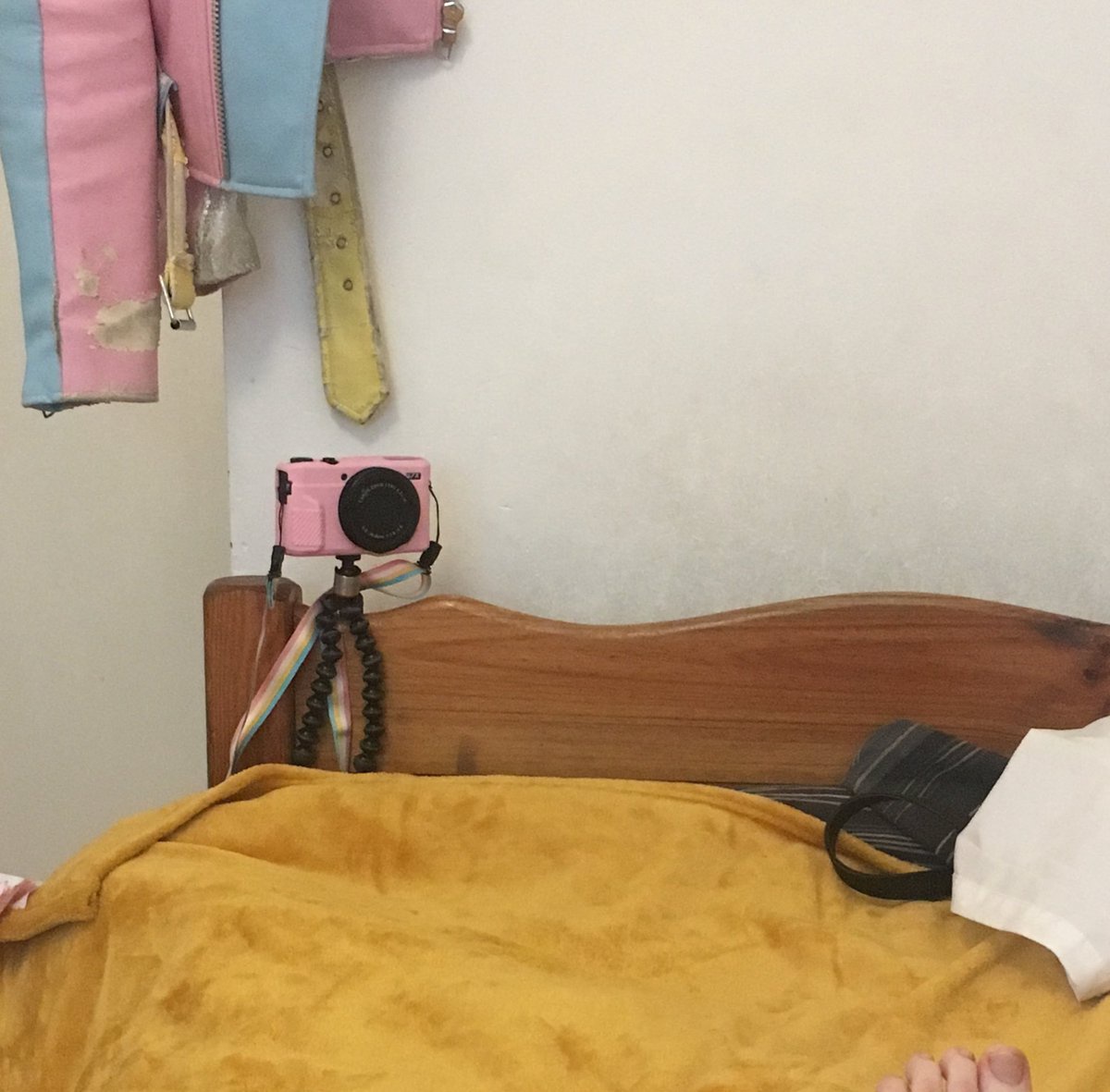
Just recorded three minutes of me eating pretzels and vegan cheese in my underwear on my tiny bed to show my thrilling London life.
{
    "type": "entry",
    "published": "2019-08-04T16:42:25+00:00",
    "url": "https://twitter.com/anomalily/status/1158055599449530368",
    "photo": [
        "https://aperture-proxy.p3k.io/51e7b002a22a749729a7c8c86d0dc6cd0103745d/68747470733a2f2f7062732e7477696d672e636f6d2f6d656469612f45424939624c4158734145414458612e6a7067"
    ],
    "content": {
        "text": "Just recorded three minutes of me eating pretzels and vegan cheese in my underwear on my tiny bed to show my thrilling London life."
    },
    "author": {
        "type": "card",
        "name": "Lillian Karabaic in London",
        "url": "https://twitter.com/anomalily",
        "photo": "https://aperture-proxy.p3k.io/1de3203470b657e685f265cbf9ee7170de351cb4/68747470733a2f2f7062732e7477696d672e636f6d2f70726f66696c655f696d616765732f313132333830323430303733313636343338352f6473485147316e5a2e6a7067"
    },
    "post-type": "photo",
    "refs": {
        "https://aperture-proxy.p3k.io/51e7b002a22a749729a7c8c86d0dc6cd0103745d/68747470733a2f2f7062732e7477696d672e636f6d2f6d656469612f45424939624c4158734145414458612e6a7067": {
            "type": "image",
            "ratio": 1.02,
            "bytes": 153180
        }
    },
    "_id": "4760547",
    "_source": "2773"
}
Why people STILL thinking Hillary Clinton about the shits? lol
{
    "type": "entry",
    "published": "2019-08-04T16:32:34+00:00",
    "url": "https://twitter.com/jackyalcine/status/1158053120833798144",
    "content": {
        "text": "Why people STILL thinking Hillary Clinton about the shits? lol"
    },
    "author": {
        "type": "card",
        "name": "Jacky Alcin\u00e9 isn't surprised.",
        "url": "https://twitter.com/jackyalcine",
        "photo": "https://aperture-proxy.p3k.io/57a821a1285a06d4ec5b2dcb3c64031dea02f3bd/68747470733a2f2f7062732e7477696d672e636f6d2f70726f66696c655f696d616765732f313135373738333633343634313639303632342f326f4a534a53694d2e6a7067"
    },
    "post-type": "note",
    "_id": "4760418",
    "_source": "2773"
}
Mad of the vets on here QUIET, almost all of the Black ones.
{
    "type": "entry",
    "published": "2019-08-04T16:31:36+00:00",
    "url": "https://twitter.com/jackyalcine/status/1158052877039894529",
    "content": {
        "text": "Mad of the vets on here QUIET, almost all of the Black ones."
    },
    "author": {
        "type": "card",
        "name": "Jacky Alcin\u00e9 isn't surprised.",
        "url": "https://twitter.com/jackyalcine",
        "photo": "https://aperture-proxy.p3k.io/57a821a1285a06d4ec5b2dcb3c64031dea02f3bd/68747470733a2f2f7062732e7477696d672e636f6d2f70726f66696c655f696d616765732f313135373738333633343634313639303632342f326f4a534a53694d2e6a7067"
    },
    "post-type": "note",
    "_id": "4760419",
    "_source": "2773"
}
http://isfreesoftwarepolitical.com/ a reminder to the OSS advocates who think F/LOSS is nonsense / “too much”.
{
    "type": "entry",
    "published": "2019-08-04T09:26:04.48600-07:00",
    "url": "https://v2.jacky.wtf/post/423ac9a8-0206-4ce3-83c2-762f84141b7d",
    "content": {
        "text": "http://isfreesoftwarepolitical.com/ a reminder to the OSS advocates who think F/LOSS is nonsense / \u201ctoo much\u201d.",
        "html": "<p><a href=\"http://isfreesoftwarepolitical.com/\">http://isfreesoftwarepolitical.com/</a> a reminder to the OSS advocates who think F/LOSS is nonsense / \u201ctoo much\u201d.</p>"
    },
    "author": {
        "type": "card",
        "name": "Jacky Alcin\u00e9",
        "url": "https://v2.jacky.wtf",
        "photo": "https://aperture-proxy.p3k.io/9f6c6c125a7640abc3c67f876753b4bf233d06d6/68747470733a2f2f76322e6a61636b792e7774662f6d656469612f70726f66696c652d696d616765"
    },
    "post-type": "note",
    "_id": "4760387",
    "_source": "1886"
}
Until I find a legit alternative, I’ll be making videos on YouTube. My first video’s over at https://youtu.be/_0bo6Yhb_WA. Let me know what you think!
{
    "type": "entry",
    "published": "2019-08-04T09:24:58.59704-07:00",
    "url": "https://v2.jacky.wtf/post/c1353736-67c0-43e9-9ea7-7b4d0d006825",
    "category": [
        "video"
    ],
    "content": {
        "text": "Until I find a legit alternative, I\u2019ll be making videos on YouTube. My first video\u2019s over at https://youtu.be/_0bo6Yhb_WA. Let me know what you think!",
        "html": "<p>Until I find a legit alternative, I\u2019ll be making videos on YouTube. My first video\u2019s over at <a href=\"https://youtu.be/_0bo6Yhb_WA\">https://youtu.be/_0bo6Yhb_WA</a>. Let me know what you think!</p>"
    },
    "author": {
        "type": "card",
        "name": "Jacky Alcin\u00e9",
        "url": "https://v2.jacky.wtf",
        "photo": "https://aperture-proxy.p3k.io/9f6c6c125a7640abc3c67f876753b4bf233d06d6/68747470733a2f2f76322e6a61636b792e7774662f6d656469612f70726f66696c652d696d616765"
    },
    "post-type": "note",
    "_id": "4760388",
    "_source": "1886"
}
isfreesoftwarepolitical.com a reminder to the OSS advocates who think F/LOSS is nonsense / “too much”. (v2.jacky.wtf/post/423ac9a8-…)
{
    "type": "entry",
    "published": "2019-08-04T16:26:05+00:00",
    "url": "https://twitter.com/jackyalcine/status/1158051492135395328",
    "content": {
        "text": "isfreesoftwarepolitical.com a reminder to the OSS advocates who think F/LOSS is nonsense / \u201ctoo much\u201d. (v2.jacky.wtf/post/423ac9a8-\u2026)",
        "html": "<a href=\"http://isfreesoftwarepolitical.com/\">isfreesoftwarepolitical.com</a> a reminder to the OSS advocates who think F/LOSS is nonsense / \u201ctoo much\u201d. (<a href=\"https://v2.jacky.wtf/post/423ac9a8-0206-4ce3-83c2-762f84141b7d\">v2.jacky.wtf/post/423ac9a8-\u2026</a>)"
    },
    "author": {
        "type": "card",
        "name": "Jacky Alcin\u00e9 isn't surprised.",
        "url": "https://twitter.com/jackyalcine",
        "photo": "https://aperture-proxy.p3k.io/57a821a1285a06d4ec5b2dcb3c64031dea02f3bd/68747470733a2f2f7062732e7477696d672e636f6d2f70726f66696c655f696d616765732f313135373738333633343634313639303632342f326f4a534a53694d2e6a7067"
    },
    "post-type": "note",
    "_id": "4760297",
    "_source": "2773"
}
Until I find a legit alternative, I’ll be making videos on YouTube. My first video’s over at youtu.be/_0bo6Yhb_WA. Let me know what you think! (v2.jacky.wtf/post/c1353736-…)
{
    "type": "entry",
    "published": "2019-08-04T16:25:00+00:00",
    "url": "https://twitter.com/jackyalcine/status/1158051217811091457",
    "content": {
        "text": "Until I find a legit alternative, I\u2019ll be making videos on YouTube. My first video\u2019s over at youtu.be/_0bo6Yhb_WA. Let me know what you think! (v2.jacky.wtf/post/c1353736-\u2026)",
        "html": "Until I find a legit alternative, I\u2019ll be making videos on YouTube. My first video\u2019s over at <a href=\"https://youtu.be/_0bo6Yhb_WA\">youtu.be/_0bo6Yhb_WA</a>. Let me know what you think! (<a href=\"https://v2.jacky.wtf/post/c1353736-67c0-43e9-9ea7-7b4d0d006825\">v2.jacky.wtf/post/c1353736-\u2026</a>)"
    },
    "author": {
        "type": "card",
        "name": "Jacky Alcin\u00e9 isn't surprised.",
        "url": "https://twitter.com/jackyalcine",
        "photo": "https://aperture-proxy.p3k.io/57a821a1285a06d4ec5b2dcb3c64031dea02f3bd/68747470733a2f2f7062732e7477696d672e636f6d2f70726f66696c655f696d616765732f313135373738333633343634313639303632342f326f4a534a53694d2e6a7067"
    },
    "post-type": "note",
    "_id": "4760298",
    "_source": "2773"
}

{
    "type": "entry",
    "published": "2019-08-04T15:19:59+0000",
    "url": "https://quickthoughts.jgregorymcverry.com/2019/08/04/what-makes-a-good-lesson-plan",
    "category": [
        "EDU407Sum19"
    ],
    "syndication": [
        "https://twitter.com/jgmac1106/status/1158034861405458438"
    ],
    "name": "What Makes A Good Lesson Plan?",
    "content": {
        "text": "Criteria for A Strong Lesson\u00a0\nAn assessment that would measure knowledge growth on a measurable objective derived from a national standard\n\n\nA series of scaffolded learning activities that would lead to mastery of the stated objective\n\n\nDifferentiation based on content standards and atypical student development\n\n\n\nA Self Checklist\nIs my objective something I can measure?\n\n\nDoes my objective include knowledge and skills?\n\n\nAm I asking for higher level knowledge?\n\n\nWhat verbs am I using? Do they match the level of knowledge I want?\n\n\nWould mastery of the objective move students closer to the grade level expectation on their standard?\n\n\nWill my assessment provide evidence of knowledge growth towards the objective?\n\n\nHow do I make students aware of the objective? Do i state it? Write it? Do we discuss?\n\n\nHow do students know what success looks like?\n\n\nDo I define all key terms for learner in my activities?\n\n\nDo I model skill use in my activities?\n\n\nDo my activities balance talk more with the teacher? Student?\n\n\nWhat opportunities did I include for metacognitive reflection?\n\n\nWhat opportunities did I include for student to student talk?\n\n\nDid I utilize local cultural wealth in the design of my lesson?\n\n\nDid I make sure my resources meet all accessibility guidelines?\n\n\nDid I consider the difference between the standards above and below grade level for students who have met mastery or need additional support?\n\n#EDU407Sum19",
        "html": "<p dir=\"ltr\"><span style=\"font-style:normal;color:#000000;text-decoration:none;\">Criteria for A Strong Lesson</span></p><p>\u00a0</p><ul><li dir=\"ltr\" style=\"font-style:normal;color:#000000;text-decoration:none;\">\n<p dir=\"ltr\"><span style=\"font-style:normal;color:#000000;text-decoration:none;\">An assessment that would measure knowledge growth on a measurable objective derived from a national standard</span></p>\n</li>\n<li dir=\"ltr\" style=\"font-style:normal;color:#000000;text-decoration:none;\">\n<p dir=\"ltr\"><span style=\"font-style:normal;color:#000000;text-decoration:none;\">A series of scaffolded learning activities that would lead to mastery of the stated objective</span></p>\n</li>\n<li dir=\"ltr\" style=\"font-style:normal;color:#000000;text-decoration:none;\">\n<p dir=\"ltr\"><span style=\"font-style:normal;color:#000000;text-decoration:none;\">Differentiation based on content standards and atypical student development</span></p>\n</li>\n</ul><p><br /><br /></p><p dir=\"ltr\"><span style=\"font-style:normal;color:#000000;text-decoration:none;\">A Self Checklist</span></p><ul><li dir=\"ltr\" style=\"font-style:normal;color:#000000;text-decoration:none;\">\n<p dir=\"ltr\"><span style=\"font-style:normal;color:#000000;text-decoration:none;\">Is my objective something I can measure?</span></p>\n</li>\n<li dir=\"ltr\" style=\"font-style:normal;color:#000000;text-decoration:none;\">\n<p dir=\"ltr\"><span style=\"font-style:normal;color:#000000;text-decoration:none;\">Does my objective include knowledge and skills?</span></p>\n</li>\n<li dir=\"ltr\" style=\"font-style:normal;color:#000000;text-decoration:none;\">\n<p dir=\"ltr\"><span style=\"font-style:normal;color:#000000;text-decoration:none;\">Am I asking for higher level knowledge?</span></p>\n</li>\n<li dir=\"ltr\" style=\"font-style:normal;color:#000000;text-decoration:none;\">\n<p dir=\"ltr\"><span style=\"font-style:normal;color:#000000;text-decoration:none;\">What verbs am I using? Do they match the level of knowledge I want?</span></p>\n</li>\n<li dir=\"ltr\" style=\"font-style:normal;color:#000000;text-decoration:none;\">\n<p dir=\"ltr\"><span style=\"font-style:normal;color:#000000;text-decoration:none;\">Would mastery of the objective move students closer to the grade level expectation on their standard?</span></p>\n</li>\n<li dir=\"ltr\" style=\"font-style:normal;color:#000000;text-decoration:none;\">\n<p dir=\"ltr\"><span style=\"font-style:normal;color:#000000;text-decoration:none;\">Will my assessment provide evidence of knowledge growth towards the objective?</span></p>\n</li>\n<li dir=\"ltr\" style=\"font-style:normal;color:#000000;text-decoration:none;\">\n<p dir=\"ltr\"><span style=\"font-style:normal;color:#000000;text-decoration:none;\">How do I make students aware of the objective? Do i state it? Write it? Do we discuss?</span></p>\n</li>\n<li dir=\"ltr\" style=\"font-style:normal;color:#000000;text-decoration:none;\">\n<p dir=\"ltr\"><span style=\"font-style:normal;color:#000000;text-decoration:none;\">How do students know what success looks like?</span></p>\n</li>\n<li dir=\"ltr\" style=\"font-style:normal;color:#000000;text-decoration:none;\">\n<p dir=\"ltr\"><span style=\"font-style:normal;color:#000000;text-decoration:none;\">Do I define all key terms for learner in my activities?</span></p>\n</li>\n<li dir=\"ltr\" style=\"font-style:normal;color:#000000;text-decoration:none;\">\n<p dir=\"ltr\"><span style=\"font-style:normal;color:#000000;text-decoration:none;\">Do I model skill use in my activities?</span></p>\n</li>\n<li dir=\"ltr\" style=\"font-style:normal;color:#000000;text-decoration:none;\">\n<p dir=\"ltr\"><span style=\"font-style:normal;color:#000000;text-decoration:none;\">Do my activities balance talk more with the teacher? Student?</span></p>\n</li>\n<li dir=\"ltr\" style=\"font-style:normal;color:#000000;text-decoration:none;\">\n<p dir=\"ltr\"><span style=\"font-style:normal;color:#000000;text-decoration:none;\">What opportunities did I include for metacognitive reflection?</span></p>\n</li>\n<li dir=\"ltr\" style=\"font-style:normal;color:#000000;text-decoration:none;\">\n<p dir=\"ltr\"><span style=\"font-style:normal;color:#000000;text-decoration:none;\">What opportunities did I include for student to student talk?</span></p>\n</li>\n<li dir=\"ltr\" style=\"font-style:normal;color:#000000;text-decoration:none;\">\n<p dir=\"ltr\"><span style=\"font-style:normal;color:#000000;text-decoration:none;\">Did I utilize local cultural wealth in the design of my lesson?</span></p>\n</li>\n<li dir=\"ltr\" style=\"font-style:normal;color:#000000;text-decoration:none;\">\n<p dir=\"ltr\"><span style=\"font-style:normal;color:#000000;text-decoration:none;\">Did I make sure my resources meet all accessibility guidelines?</span></p>\n</li>\n<li dir=\"ltr\" style=\"font-style:normal;color:#000000;text-decoration:none;\">\n<p dir=\"ltr\"><span style=\"font-style:normal;color:#000000;text-decoration:none;\">Did I consider the difference between the standards above and below grade level for students who have met mastery or need additional support?</span></p>\n</li>\n</ul><p><span style=\"font-style:normal;color:#000000;text-decoration:none;\"><a href=\"https://quickthoughts.jgregorymcverry.com/tag/EDU407Sum19\" class=\"p-category\">#EDU407Sum19</a></span></p>"
    },
    "author": {
        "type": "card",
        "name": "Greg McVerry",
        "url": "https://quickthoughts.jgregorymcverry.com/profile/jgmac1106",
        "photo": "https://aperture-proxy.p3k.io/caeb995d615fbe49086b65db17f0eae5d43ef188/68747470733a2f2f717569636b74686f75676874732e6a677265676f72796d6376657272792e636f6d2f66696c652f32643663396366656437616338653834396634393262356263376536613633302f7468756d622e6a7067"
    },
    "post-type": "article",
    "_id": "4759704",
    "_source": "1300"
}
{
    "type": "entry",
    "published": "2019-08-04T15:20:00+00:00",
    "url": "https://twitter.com/jgmac1106/status/1158034861405458438",
    "content": {
        "text": "What Makes A Good Lesson Plan?: quickthoughts.jgregorymcverry.com/2019/08/04/wha\u2026",
        "html": "What Makes A Good Lesson Plan?: <a href=\"https://quickthoughts.jgregorymcverry.com/2019/08/04/what-makes-a-good-lesson-plan\">quickthoughts.jgregorymcverry.com/2019/08/04/wha\u2026</a>"
    },
    "author": {
        "type": "card",
        "name": "https://jgregorymcverry.com",
        "url": "https://twitter.com/jgmac1106",
        "photo": "https://aperture-proxy.p3k.io/5163db442c9bc69839ca550f18eb71e1b0ca8162/68747470733a2f2f7062732e7477696d672e636f6d2f70726f66696c655f696d616765732f3536353232373731303130343838333230302f67344d4463546e782e6a706567"
    },
    "post-type": "note",
    "_id": "4759685",
    "_source": "2773"
}
Community College Online Course Retention and Final Grade: Predictability of Social Presence: digitalcommons.odu.edu/cgi/viewconten…
{
"type": "entry",
"published": "2019-08-04T14:58:09+00:00",
"url": "https://twitter.com/jgmac1106/status/1158029361251049472",
"content": {
"text": "Community College Online Course Retention and Final Grade: Predictability of Social Presence: digitalcommons.odu.edu/cgi/viewconten\u2026",
"html": "Community College Online Course Retention and Final Grade: Predictability of Social Presence: <a href=\"https://digitalcommons.odu.edu/cgi/viewcontent.cgi?referer=https://scholar.google.com/&httpsredir=1&article=1017&context=efl_fac_pubs\">digitalcommons.odu.edu/cgi/viewconten\u2026</a>"
},
"author": {
"type": "card",
"name": "https://jgregorymcverry.com",
"url": "https://twitter.com/jgmac1106",
"photo": "https://aperture-proxy.p3k.io/5163db442c9bc69839ca550f18eb71e1b0ca8162/68747470733a2f2f7062732e7477696d672e636f6d2f70726f66696c655f696d616765732f3536353232373731303130343838333230302f67344d4463546e782e6a706567"
},
"post-type": "note",
"_id": "4759506",
"_source": "2773"
}
I am trying to just think about the simplest blogging platform that I can then add to the LMS using a feed reader. #digped, what I do now is you can use your own website or use the LMS blogging tools. It is about an 80-20 split in favor of LMS #digped (quickthoughts.jgregorymcverry.com/s/2cSCZX)
{
    "type": "entry",
    "published": "2019-08-04T14:53:57+00:00",
    "url": "https://twitter.com/jgmac1106/status/1158028304546508801",
    "content": {
        "text": "I am trying to just think about the simplest blogging platform that I can then add to the LMS using a feed reader. #digped, what I do now is you can use your own website or use the LMS blogging tools. It is about an 80-20 split in favor of LMS #digped (quickthoughts.jgregorymcverry.com/s/2cSCZX)",
        "html": "I am trying to just think about the simplest blogging platform that I can then add to the LMS using a feed reader. <a href=\"https://twitter.com/search?q=%23digped\">#digped</a>, what I do now is you can use your own website or use the LMS blogging tools. It is about an 80-20 split in favor of LMS #digped (<a href=\"https://quickthoughts.jgregorymcverry.com/s/2cSCZX\">quickthoughts.jgregorymcverry.com/s/2cSCZX</a>)"
    },
    "author": {
        "type": "card",
        "name": "https://jgregorymcverry.com",
        "url": "https://twitter.com/jgmac1106",
        "photo": "https://aperture-proxy.p3k.io/5163db442c9bc69839ca550f18eb71e1b0ca8162/68747470733a2f2f7062732e7477696d672e636f6d2f70726f66696c655f696d616765732f3536353232373731303130343838333230302f67344d4463546e782e6a706567"
    },
    "post-type": "note",
    "_id": "4759507",
    "_source": "2773"
}
I am trying to just think about the simplest blogging platform that I can then add to the LMS using a feed reader. #digped, what I do now is you can use your own website or use the LMS blogging tools. It is about an 80-20 split in favor of LMS #digped
{
    "type": "entry",
    "published": "2019-08-04T14:53:55+0000",
    "url": "https://quickthoughts.jgregorymcverry.com/2019/08/04/i-am-trying-to-just-think-about",
    "category": [
        "digped"
    ],
    "syndication": [
        "https://twitter.com/jgmac1106/status/1158028304546508801"
    ],
    "content": {
        "text": "I am trying to just think about the simplest blogging platform that I can then add to the LMS using a feed reader. #digped, what I do now is you can use your own website or use the LMS blogging tools. It is about an 80-20 split in favor of LMS #digped",
        "html": "I am trying to just think about the simplest blogging platform that I can then add to the LMS using a feed reader. <a href=\"https://quickthoughts.jgregorymcverry.com/tag/digped\" class=\"p-category\">#digped</a>, what I do now is you can use your own website or use the LMS blogging tools. It is about an 80-20 split in favor of LMS <a href=\"https://quickthoughts.jgregorymcverry.com/tag/digped\" class=\"p-category\">#digped</a>"
    },
    "author": {
        "type": "card",
        "name": "Greg McVerry",
        "url": "https://quickthoughts.jgregorymcverry.com/profile/jgmac1106",
        "photo": "https://aperture-proxy.p3k.io/caeb995d615fbe49086b65db17f0eae5d43ef188/68747470733a2f2f717569636b74686f75676874732e6a677265676f72796d6376657272792e636f6d2f66696c652f32643663396366656437616338653834396634393262356263376536613633302f7468756d622e6a7067"
    },
    "post-type": "note",
    "_id": "4759427",
    "_source": "1300"
}
Classroom Assessment Techniques: Quick Strategies • Center for Excellence in Learning and Teaching • Iowa State University: celt.iastate.edu/teaching/asses…
{
    "type": "entry",
    "published": "2019-08-04T14:48:20+00:00",
    "url": "https://twitter.com/jgmac1106/status/1158026891896532994",
    "content": {
        "text": "Classroom Assessment Techniques: Quick Strategies \u2022 Center for Excellence in Learning and Teaching \u2022 Iowa State University: celt.iastate.edu/teaching/asses\u2026",
        "html": "Classroom Assessment Techniques: Quick Strategies \u2022 Center for Excellence in Learning and Teaching \u2022 Iowa State University: <a href=\"https://www.celt.iastate.edu/teaching/assessment-and-evaluation/classroom-assessment-techniques-quick-strategies-to-check-student-learning-in-class/\">celt.iastate.edu/teaching/asses\u2026</a>"
    },
    "author": {
        "type": "card",
        "name": "https://jgregorymcverry.com",
        "url": "https://twitter.com/jgmac1106",
        "photo": "https://aperture-proxy.p3k.io/5163db442c9bc69839ca550f18eb71e1b0ca8162/68747470733a2f2f7062732e7477696d672e636f6d2f70726f66696c655f696d616765732f3536353232373731303130343838333230302f67344d4463546e782e6a706567"
    },
    "post-type": "note",
    "_id": "4759353",
    "_source": "2773"
}
{
"type": "entry",
"published": "2019-08-04T13:30:13+0000",
"url": "https://quickthoughts.jgregorymcverry.com/2019/08/04/questioning-techniques",
"category": [
"questions"
],
"syndication": [
"https://twitter.com/jgmac1106/status/1158007297177726976"
],
"name": "Questioning Techniques",
"content": {
"text": "Resources From around the web on using #questions in the classroom\nThe Chalkboard Splash:\nThis TPT requires that students respond to a prompt and then find any open spot on the chalkboard or whiteboard where they can record their responses. In order to make this activity run smoothly, where students aren't needing to wait for each other, students should be asked to try to limit their answers to 15 words or less. See the next two activities for examples of how you might use this activity.\nThe \"Pause, Star, Rank\":\nThis technique works well at the conclusions of lessons or units that have packed in quite a bit of information or concepts.\u00a0 It allows students to pause and review all the things that they have learned by reading over their notes and reflecting on what the essential concepts are.\nHere are the steps for Pause, Star, Rank:\n1) Pause: Review any notes that you've taken during this unit.\n2) Star: Place a star on the concepts that you believe were the most important for understanding the unit.\n3) Rank: Number your top three concepts and be ready to explain why they are your top three.\nOnce students have been given a suitable amount of time to star their concepts, alert them that the time for placing stars on important concepts is coming to a close, and then ask students to rank their top three starred concepts. After students have been given a suitable amount of time to rank the concepts, they should then get into pairs or small groups in order to share their top three concepts and explain their rationales for selecting their top three. You can cap off this activity with a chalkboard splash where students summarize their number one concept (using fewer than 15 words) and write the number one concept anywhere on the chalkboard or whiteboard. This can then be a springboard for a mini-review led by those concepts that students selected as the most important.\nThe A-Z Sentence Summary:\nThis technique provides a quick and easy way to have students wrap up what they've learned. At the end of your lesson, pass out one A through Z magnet or die-cut to each of the students in your class. Ask students to wrap up what they've learned in one sentence using the letter they've been assigned as the first letter of the sentence. Then, call out the letters in alphabetical order. When each letter is called, the student who was assigned that letter should read their sentence out loud for the class to hear. Duplicate letters for classes with more than 26 students. We also use this activity as a chalkboard splash, where students attach their magnets to the chalkboard or whiteboard and write their sentence. As a wrap-up we'll often ask students to work with their table groups to come up with categories for the summary sentences.\nUsing activities that require total participation not only is more interesting for students than a traditional teacher-directed lesson would be, but it also puts the responsibility on students to actively focus on what they are learning, and repackage it in a way that demonstrates deep understandings.\nResponse: Ways to Cultivate 'Whole-Class Engagement'\n\nThe purpose of a Socratic Seminar is to achieve a deeper understanding about the ideas and values in a text. In the Seminar, participants systematically question and examine issues and principles related to a particular content, and articulate different points-of-view.Socratic Seminar\n\n\nAsk students to seek out the evidence: \nWhat kind of evidence did you find?\nWhat makes you think that...?\n\n\nAsk students to explain:\nHow would you explain this?\nWhat were some of the causes that led to...?\n\n>Ask questions that relate concepts, ideas, and opinions:\nHow does that compare to...?\nWhat did other people discover or say about ...?\n\nAsk questions that encourage your students to predict:\nWhat will you do next?\nWhat will happen if you...?\nWhat could you do to prevent that ?\n\n\nAsk students questions that encourage them to describe:\nWhat did you do?\nWhat happened?\nWhat did you observe happening?\n\nPracticing Effective Questioning\nProviding daily opportunities for questioning builds confidence in students\u2019 ability to craft their own questions. During question breaks in our literature and history units, for example, students can write down questions they have, and can also do so during verbal or digital discussions with peersEstablishing a Culture of Questioning\nDepth of Knowledge Chart\nLevel 1.\u00a0Recall and Reproduction:\u00a0Tasks at this level require recall of facts or rote application of simple procedures. The task does not require any cognitive effort beyond remembering the right response or formula. Copying, computing, defining, and recognizing are typical Level 1 tasks.\nLevel 2.\u00a0Skills and Concepts:\u00a0At this level, a student must make some decisions about his or her approach. Tasks with more than one mental step, such as comparing, organizing, summarizing, predicting, and estimating, are usually Level 2.\nLevel 3. Strategic Thinking:\u00a0At this level of complexity, students must use planning and evidence, and thinking is more abstract. A task with multiple valid responses, where students must justify their choices, would be Level 3. Examples include solving non-routine problems, designing an experiment, or analyzing characteristics of a genre.\nLevel 4.\u00a0Extended Thinking: Level 4 tasks require the most complex cognitive effort. Students synthesize information from multiple sources, often over an extended period of time, or transfer knowledge from one domain to solve problems in another. Designing a survey and interpreting the results, analyzing multiple texts by to extract themes, or writing an original myth in an ancient style would all be examples of Level 4.\nUsing Webb\u2019s Depth of Knowledge to Increase Rigor\n\nIndeed, keep having kids read text, and definitely engage them in discussions of those texts, but form your questions \u2014 not on the basis of standards or skills lists \u2014 but on the basis of the texts themselves. Your questions should lead kids to think deeply about a text and to come away with a coherent and lasting memory of its content and aesthetic qualities.\nReading should be about that; not about answering particular kinds of questions, even if the questions vaguely resemble the ones on your state assessment test.\nWhere Questioning Fits in Comprehension Instruction: Skills and Strategies\n\nA traditional teacher-led question-and-answer ap-proach that is widely used is recitation, or the Initi-ate-Response-Evaluate (I-R-E) model of questioning (Mehan, 1979). Although this model can be an effec-tive way to check for factual knowledge or recall, it typically does not encourage higher-order thinking.\nQuestions that ask for more evidence:\nHow do you know that? What data is that claim based on?\nQuestions that ask for clarification: Can you put that another way? What do you mean by that?\nLinking or extension questions: Is there any con-nection between what you\u2019ve just said and __? How does your comment fit with ___ earlier comment?\nHypothetical questions: What might have happened if ___?\nCause and effect questions: What is likely to be the effect of___?\nSummary and synthesis questions: What are the one or two most important ideas that emerged from this discussion? What remains unresolved or conten-tious about this topic?\nAn example of teacher questioning that supports thinking and discussion is the K-W-L strategy, which helps students learn from expository text in any co n-tent area (Ogle, 1986). Using this strategy, the teach-er models for students how to create a three-column chart, labeling the first column K, the middle column W, and the third column L.\nQuestion the Author (QtA) is a reading comprehen-sion strategy that actively engages students with a text by asking them to pose questions of the author while they are reading, rather than after they read. In forming their questions, students become engaged in the reading and solidify their understanding of the text. QtA teaches students to critique the author\u2019s writing, challenge the author, recognize the author\u2019s perspec-tive, and understand why the author made choices.\nThe National Reading Panel (2000) examined 203 studies of reading comprehension instruction and found the strongest scientifically-based evidence was for asking readers to generate questions while read-ing. Self-questioning was the most effective strategy\u2014 asking readers to generate questions while reading improves reading comprehension.\nGuided reciprocal peer questioning (King, 1990, 1991) is a strategy in which students question one another about the content they are learning, using higher-order, open-ended question stems that then become the focus of a structured, small-group discussion. Fol-lowing a mini-lecture or an assigned reading, the teacher provides a set of generic questions stems and asks students to use the stems to generate questions about the content of the lecture or the reading.\nReciprocal teaching (Palincsar & Brown, 1984) is an interactive teaching strategy that supports students in improving reading comprehension. It uses four strate-gies that the teacher needs to model over a number of sessions and that demonstrate how an expert reader uses comprehension strategies to understand a text: \uf0b7Predicting what the reading is about\n\uf0b7Clarifying words and phrases that were not un-derstood during reading \uf0b7Generating questions about the text\n\uf0b7Summarizing what was read\nDeeper Learning through Questioning",
"html": "<p>Resources From around the web on using <a href=\"https://quickthoughts.jgregorymcverry.com/tag/questions\" class=\"p-category\">#questions</a> in the classroom</p><blockquote>\n<p><em><strong>The Chalkboard Splash:</strong></em></p>\n<p><em>This TPT requires that students respond to a prompt and then find any open spot on the chalkboard or whiteboard where they can record their responses. In order to make this activity run smoothly, where students aren't needing to wait for each other, students should be asked to try to limit their answers to 15 words or less. See the next two activities for examples of how you might use this activity.</em></p>\n<p><em><strong>The \"Pause, Star, Rank\":</strong></em></p>\n<p><em>This technique works well at the conclusions of lessons or units that have packed in quite a bit of information or concepts.\u00a0 It allows students to pause and review all the things that they have learned by reading over their notes and reflecting on what the essential concepts are.</em></p>\n<p><em>Here are the steps for Pause, Star, Rank:</em></p>\n<p><em>1) Pause: Review any notes that you've taken during this unit.</em></p>\n<p><em>2) Star: Place a star on the concepts that you believe were the most important for understanding the unit.</em></p>\n<p><em>3) Rank: Number your top three concepts and be ready to explain why they are your top three.</em></p>\n<p><em>Once students have been given a suitable amount of time to star their concepts, alert them that the time for placing stars on important concepts is coming to a close, and then ask students to rank their top three starred concepts. After students have been given a suitable amount of time to rank the concepts, they should then get into pairs or small groups in order to share their top three concepts and explain their rationales for selecting their top three. You can cap off this activity with a chalkboard splash where students summarize their number one concept (using fewer than 15 words) and write the number one concept anywhere on the chalkboard or whiteboard. This can then be a springboard for a mini-review led by those concepts that students selected as the most important.</em></p>\n<p><em><strong>The A-Z Sentence Summary:</strong></em></p>\n<p><em>This technique provides a quick and easy way to have students wrap up what they've learned. At the end of your lesson, pass out one A through Z magnet or die-cut to each of the students in your class. Ask students to wrap up what they've learned in one sentence using the letter they've been assigned as the first letter of the sentence. Then, call out the letters in alphabetical order. When each letter is called, the student who was assigned that letter should read their sentence out loud for the class to hear. Duplicate letters for classes with more than 26 students. We also use this activity as a chalkboard splash, where students attach their magnets to the chalkboard or whiteboard and write their sentence. As a wrap-up we'll often ask students to work with their table groups to come up with categories for the summary sentences.</em></p>\n<p><em>Using activities that require total participation not only is more interesting for students than a traditional teacher-directed lesson would be, but it also puts the responsibility on students to actively focus on what they are learning, and repackage it in a way that demonstrates deep understandings.</em></p>\n<p><a href=\"https://www.edutopia.org/blog/new-classroom-questioning-techniques-todd-finley\">Response: Ways to Cultivate 'Whole-Class Engagement'</a></p>\n</blockquote><blockquote>\n<p>The purpose of a Socratic Seminar is to achieve a deeper understanding about the ideas and values in a text. In the Seminar, participants systematically question and examine issues and principles related to a particular content, and articulate different points-of-view.<a href=\"https://quickthoughts.jgregorymcverry.com/\">Socratic Seminar</a></p>\n</blockquote><ol><li>\n<blockquote>\n<span style=\"color:#000000;\">Ask students to seek out the evidence: </span>\n<ul><li>What kind of evidence did you find?</li>\n<li>What makes you think that...?</li>\n</ul></blockquote>\n</li>\n<li>Ask students to explain:\n<ul><li>How would you explain this?</li>\n<li>What were some of the causes that led to...?</li>\n</ul></li>\n<li>>Ask questions that relate concepts, ideas, and opinions:\n<ul><li>How does that compare to...?</li>\n<li>What did other people discover or say about ...?</li>\n</ul></li>\n<li>Ask questions that encourage your students to predict:\n<ul><li>What will you do next?</li>\n<li>What will happen if you...?</li>\n<li>What could you do to prevent that ?</li>\n</ul></li>\n<li>\n<span style=\"color:#000000;\">Ask students questions that encourage them to describe:</span>\n<ul><li>What did you do?</li>\n<li>What happened?</li>\n<li>What did you observe happening?</li>\n</ul></li>\n</ol><p><a href=\"https://www.nde-ed.org/TeachingResources/ClassroomTips/Effective_Questioning.htm\">Practicing Effective Questioning</a></p><blockquote>\n<p>Providing daily opportunities for questioning builds confidence in students\u2019 ability to craft their own questions. During question breaks in our literature and history units, for example, students can write down questions they have, and can also do so during verbal or digital discussions with peers<a href=\"https://www.edutopia.org/article/establishing-culture-questioning\">Establishing a Culture of Questioning</a></p>\n</blockquote><p><a href=\"http://static.pdesas.org/content/documents/M1-Slide_19_DOK_Wheel_Slide.pdf\">Depth of Knowledge Chart</a></p><blockquote>\n<p><strong>Level 1.\u00a0Recall and Reproduction:</strong>\u00a0Tasks at this level require recall of facts or rote application of simple procedures. The task does not require any cognitive effort beyond remembering the right response or formula. Copying, computing, defining, and recognizing are typical Level 1 tasks.</p>\n<p><strong>Level 2.\u00a0Skills and Concepts:</strong>\u00a0At this level, a student must make some decisions about his or her approach. Tasks with more than one mental step, such as comparing, organizing, summarizing, predicting, and estimating, are usually Level 2.</p>\n<p><strong>Level 3. Strategic Thinking:</strong>\u00a0At this level of complexity, students must use planning and evidence, and thinking is more abstract. A task with multiple valid responses, where students must justify their choices, would be Level 3. Examples include solving non-routine problems, designing an experiment, or analyzing characteristics of a genre.</p>\n<p><strong>Level 4.\u00a0Extended Thinking:</strong> Level 4 tasks require the most complex cognitive effort. Students synthesize information from multiple sources, often over an extended period of time, or transfer knowledge from one domain to solve problems in another. Designing a survey and interpreting the results, analyzing multiple texts by to extract themes, or writing an original myth in an ancient style would all be examples of Level 4.</p>\n<p><a href=\"https://www.edutopia.org/blog/webbs-depth-knowledge-increase-rigor-gerald-aungst\">Using Webb\u2019s Depth of Knowledge to Increase Rigor</a></p>\n</blockquote><blockquote>\n<p>Indeed, keep having kids read text, and definitely engage them in discussions of those texts, but form your questions \u2014 not on the basis of standards or skills lists \u2014 but on the basis of the texts themselves. Your questions should lead kids to think deeply about a text and to come away with a coherent and lasting memory of its content and aesthetic qualities.</p>\n<p>Reading should be about that; not about answering particular kinds of questions, even if the questions vaguely resemble the ones on your state assessment test.</p>\n<p><a href=\"https://www.readingrockets.org/blogs/shanahan-literacy/where-questioning-fits-comprehension-instruction-skills-and-strategies\">Where Questioning Fits in Comprehension Instruction: Skills and Strategies</a></p>\n</blockquote><blockquote>\n<p>A traditional teacher-led question-and-answer ap-proach that is widely used is recitation, or the Initi-ate-Response-Evaluate (I-R-E) model of questioning (Mehan, 1979). Although this model can be an effec-tive way to check for factual knowledge or recall, it typically does not encourage higher-order thinking.</p>\n<p>Questions that ask for more evidence:</p>\n<p>How do you know that? What data is that claim based on?</p>\n<p>Questions that ask for clarification: Can you put that another way? What do you mean by that?</p>\n<p>Linking or extension questions: Is there any con-nection between what you\u2019ve just said and __? How does your comment fit with ___ earlier comment?</p>\n<p>Hypothetical questions: What might have happened if ___?</p>\n<p>Cause and effect questions: What is likely to be the effect of___?</p>\n<p>Summary and synthesis questions: What are the one or two most important ideas that emerged from this discussion? What remains unresolved or conten-tious about this topic?</p>\n<p>An example of teacher questioning that supports thinking and discussion is the K-W-L strategy, which helps students learn from expository text in any co n-tent area (Ogle, 1986). Using this strategy, the teach-er models for students how to create a three-column chart, labeling the first column K, the middle column W, and the third column L.</p>\n<p>Question the Author (QtA) is a reading comprehen-sion strategy that actively engages students with a text by asking them to pose questions of the author while they are reading, rather than after they read. In forming their questions, students become engaged in the reading and solidify their understanding of the text. QtA teaches students to critique the author\u2019s writing, challenge the author, recognize the author\u2019s perspec-tive, and understand why the author made choices.</p>\n<p>The National Reading Panel (2000) examined 203 studies of reading comprehension instruction and found the strongest scientifically-based evidence was for asking readers to generate questions while read-ing. Self-questioning was the most effective strategy\u2014 asking readers to generate questions while reading improves reading comprehension.</p>\n<p>Guided reciprocal peer questioning (King, 1990, 1991) is a strategy in which students question one another about the content they are learning, using higher-order, open-ended question stems that then become the focus of a structured, small-group discussion. Fol-lowing a mini-lecture or an assigned reading, the teacher provides a set of generic questions stems and asks students to use the stems to generate questions about the content of the lecture or the reading.</p>\n<p>Reciprocal teaching (Palincsar & Brown, 1984) is an interactive teaching strategy that supports students in improving reading comprehension. It uses four strate-gies that the teacher needs to model over a number of sessions and that demonstrate how an expert reader uses comprehension strategies to understand a text: \uf0b7Predicting what the reading is about</p>\n<p>\uf0b7Clarifying words and phrases that were not un-derstood during reading \uf0b7Generating questions about the text</p>\n<p>\uf0b7Summarizing what was read</p>\n<p><a href=\"https://lincs.ed.gov/sites/default/files/12_TEAL_Deeper_Learning_Qs_complete_5_1_0.pdf\">Deeper Learning through Questioning</a></p>\n</blockquote>"
},
"author": {
"type": "card",
"name": "Greg McVerry",
"url": "https://quickthoughts.jgregorymcverry.com/profile/jgmac1106",
"photo": "https://aperture-proxy.p3k.io/caeb995d615fbe49086b65db17f0eae5d43ef188/68747470733a2f2f717569636b74686f75676874732e6a677265676f72796d6376657272792e636f6d2f66696c652f32643663396366656437616338653834396634393262356263376536613633302f7468756d622e6a7067"
},
"post-type": "article",
"_id": "4759102",
"_source": "1300"
}
{
    "type": "entry",
    "published": "2019-08-04T14:02:45+0000",
    "url": "https://quickthoughts.jgregorymcverry.com/2019/08/04/i-published-another-2toponder-in-the-assessment",
    "category": [
        "2toPonder",
        "assessment",
        "literacies",
        "digped",
        "nctevillage"
    ],
    "syndication": [
        "https://twitter.com/jgmac1106/status/1158015433066373120"
    ],
    "content": {
        "text": "I published another #2toPonder in the #assessment in the #literacies classroom miniseries I have been recording: https://archive.org/details/2toPonder/2toPonderSe02Ep6.aifc  #digped #nctevillage",
        "html": "I published another <a href=\"https://quickthoughts.jgregorymcverry.com/tag/2toPonder\" class=\"p-category\">#2toPonder</a> in the <a href=\"https://quickthoughts.jgregorymcverry.com/tag/assessment\" class=\"p-category\">#assessment</a> in the <a href=\"https://quickthoughts.jgregorymcverry.com/tag/literacies\" class=\"p-category\">#literacies</a> classroom miniseries I have been recording: <a href=\"https://archive.org/details/2toPonder/2toPonderSe02Ep6.aifc\">https://archive.org/details/2toPonder/2toPonderSe02Ep6.aifc</a>  <a href=\"https://quickthoughts.jgregorymcverry.com/tag/digped\" class=\"p-category\">#digped</a> <a href=\"https://quickthoughts.jgregorymcverry.com/tag/nctevillage\" class=\"p-category\">#nctevillage</a>"
    },
    "author": {
        "type": "card",
        "name": "Greg McVerry",
        "url": "https://quickthoughts.jgregorymcverry.com/profile/jgmac1106",
        "photo": "https://aperture-proxy.p3k.io/caeb995d615fbe49086b65db17f0eae5d43ef188/68747470733a2f2f717569636b74686f75676874732e6a677265676f72796d6376657272792e636f6d2f66696c652f32643663396366656437616338653834396634393262356263376536613633302f7468756d622e6a7067"
    },
    "post-type": "note",
    "_id": "4759099",
    "_source": "1300"
}

{
    "type": "entry",
    "published": "2019-08-04T14:02:48+00:00",
    "url": "https://twitter.com/jgmac1106/status/1158015433066373120",
    "content": {
        "text": "I published another #2toPonder in the #assessment in the #literacies classroom miniseries I have been recording: archive.org/details/2toPon\u2026  #digped #nctevillage (quickthoughts.jgregorymcverry.com/s/2foZkz)",
        "html": "I published another <a href=\"https://twitter.com/search?q=%232toPonder\">#2toPonder</a> in the <a href=\"https://twitter.com/search?q=%23assessment\">#assessment</a> in the <a href=\"https://twitter.com/search?q=%23literacies\">#literacies</a> classroom miniseries I have been recording: <a href=\"https://archive.org/details/2toPonder/2toPonderSe02Ep6.aifc\">archive.org/details/2toPon\u2026</a>  <a href=\"https://twitter.com/search?q=%23digped\">#digped</a> <a href=\"https://twitter.com/search?q=%23nctevillage\">#nctevillage</a> (<a href=\"https://quickthoughts.jgregorymcverry.com/s/2foZkz\">quickthoughts.jgregorymcverry.com/s/2foZkz</a>)"
    },
    "author": {
        "type": "card",
        "name": "https://jgregorymcverry.com",
        "url": "https://twitter.com/jgmac1106",
        "photo": "https://aperture-proxy.p3k.io/5163db442c9bc69839ca550f18eb71e1b0ca8162/68747470733a2f2f7062732e7477696d672e636f6d2f70726f66696c655f696d616765732f3536353232373731303130343838333230302f67344d4463546e782e6a706567"
    },
    "post-type": "note",
    "_id": "4759025",
    "_source": "2773"
}
{
    "type": "entry",
    "published": "2019-08-04T13:30:29+00:00",
    "url": "https://twitter.com/jgmac1106/status/1158007297177726976",
    "content": {
        "text": "Questioning Techniques: quickthoughts.jgregorymcverry.com/2019/08/04/que\u2026",
        "html": "Questioning Techniques: <a href=\"https://quickthoughts.jgregorymcverry.com/2019/08/04/questioning-techniques\">quickthoughts.jgregorymcverry.com/2019/08/04/que\u2026</a>"
    },
    "author": {
        "type": "card",
        "name": "https://jgregorymcverry.com",
        "url": "https://twitter.com/jgmac1106",
        "photo": "https://aperture-proxy.p3k.io/5163db442c9bc69839ca550f18eb71e1b0ca8162/68747470733a2f2f7062732e7477696d672e636f6d2f70726f66696c655f696d616765732f3536353232373731303130343838333230302f67344d4463546e782e6a706567"
    },
    "post-type": "note",
    "_id": "4758705",
    "_source": "2773"
}


